

How Airlines Spark New Tourism Markets Through Routes
Date Published
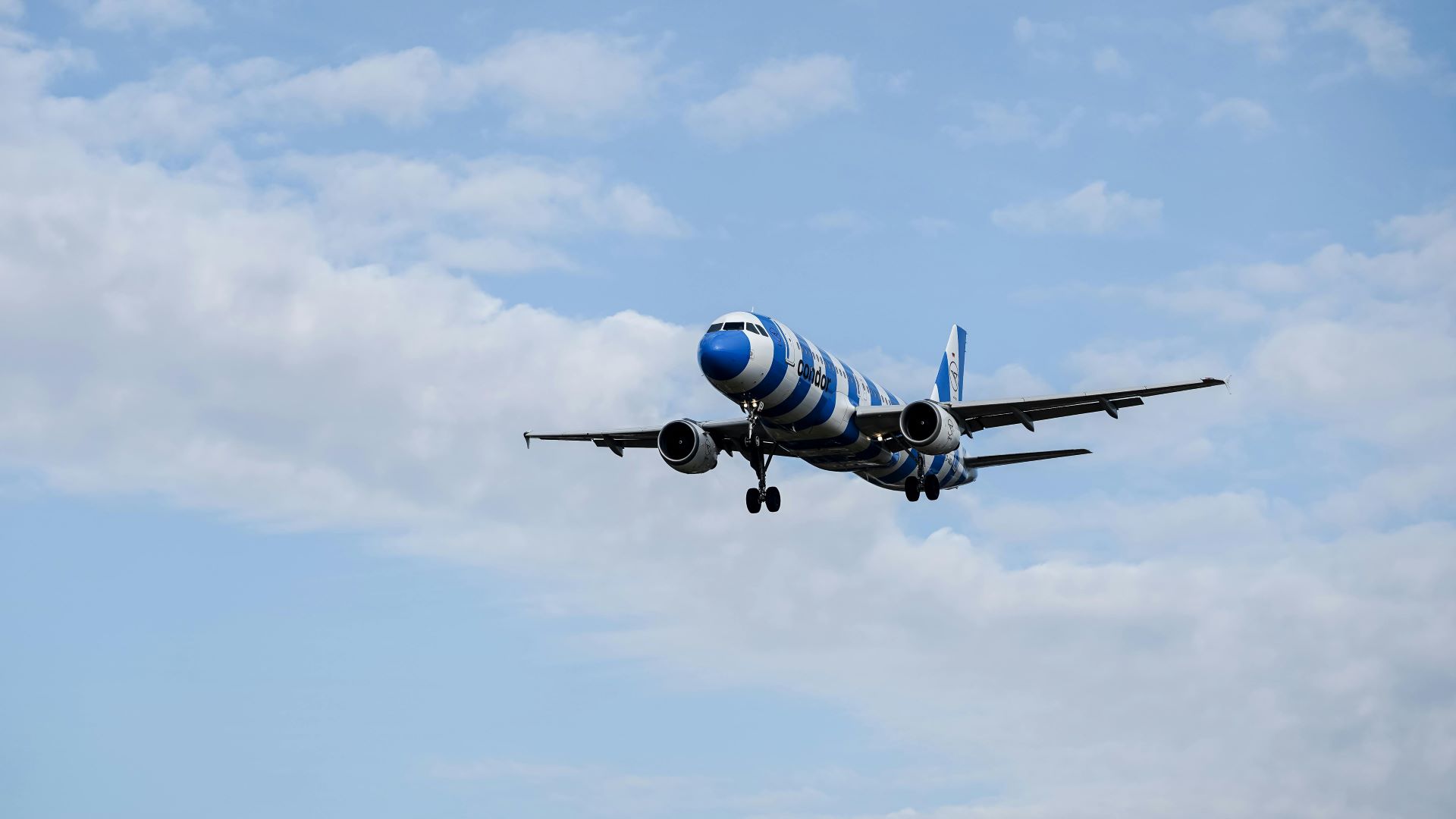
Airlines have always been more than just a means of transportation. They are architects of opportunity, sculpting the flow of global travel and reshaping tourism landscapes. In a world where destinations compete fiercely for international attention, the introduction of a direct flight can transform a sleepy city into a bustling hub of curiosity, culture, and commerce. Every new route is not just a connection between two airports; it is the starting point of a story in which airlines and destinations co-create demand where none existed.
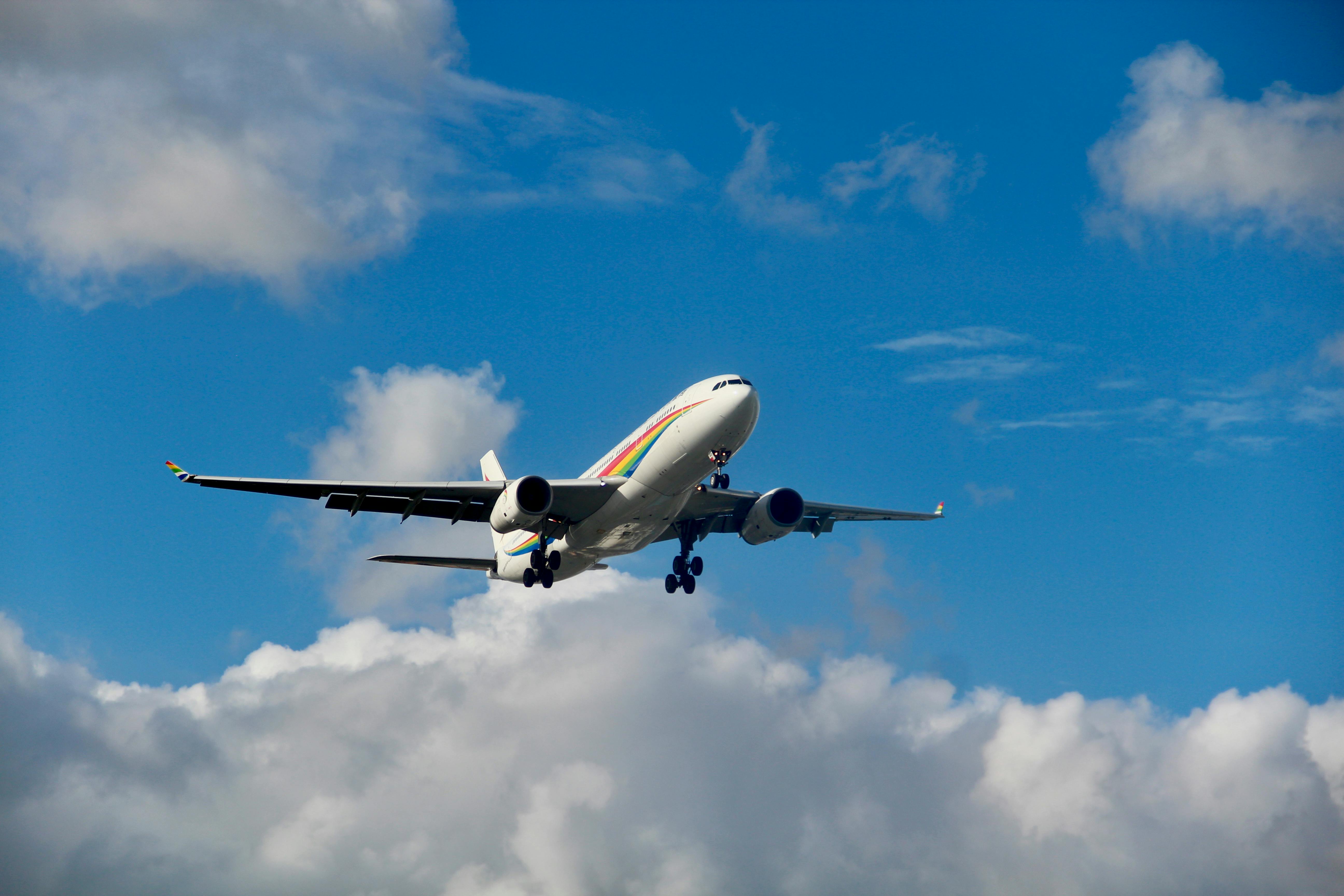
New Routes as Catalysts for Tourism
Historically, destinations with limited access or inconvenient flight options struggled to attract international travelers, regardless of their natural beauty or cultural richness. Airlines recognized early on that connecting the right city pairs could unlock untapped potential. A carefully planned route is a silent marketer; it opens doors, sparks curiosity, and signals to travelers that a destination is reachable, feasible, and worth exploring.
When Qatar Airways launched its direct flights to Zanzibar, it wasn’t just offering a convenient itinerary—it was actively shaping the island’s international tourism footprint. The airline’s strategy didn’t stop at flights. Through partnerships with local tourism boards, co-branded promotions, and integrated digital campaigns, the airline turned a previously niche destination into a burgeoning hotspot. Routes like these exemplify the symbiotic relationship between aviation and tourism: without the flight, demand would be slow to materialize; without marketing, the destination could remain invisible despite accessibility.
Marketing That Creates Desire
Routes alone rarely generate immediate demand. Travelers need inspiration, reassurance, and visibility. Airlines have refined marketing campaigns that act as tour guides even before a traveler has booked a ticket. Content marketing, social media storytelling, and influencer partnerships all play a role in shaping perceptions.
Take Emirates, for instance, which has frequently launched new routes alongside immersive marketing campaigns that highlight the culture, cuisine, and experiences awaiting travelers. These campaigns often use a blend of emotive imagery, narrative storytelling, and targeted promotions to create the perception of a once-distant destination as a reachable dream. The strategic placement of these campaigns—whether via social media feeds, email newsletters, or experiential pop-up activations—serves to prime potential tourists, turning curiosity into intent.
Airlines increasingly leverage data to optimize these campaigns. Predictive analytics allows them to identify markets where awareness is low but interest is latent. By targeting these segments with tailored messaging and compelling offers, airlines don’t just fill seats; they cultivate an entirely new tourism base. This precise approach ensures that the investment in route development is matched by measurable increases in tourist arrivals.
The Role of Partnerships
Successful tourism growth rarely happens in isolation. Airlines often collaborate with local tourism boards, hotels, and attractions to amplify the impact of new routes. Bundled packages, coordinated marketing calendars, and joint PR initiatives strengthen the narrative that a destination is ready for global travelers.
Singapore Airlines, for example, has historically partnered with the Singapore Tourism Board when opening new regional routes. These partnerships amplify the reach of campaigns, ensuring that messaging is consistent, culturally resonant, and strategically timed to coincide with peak booking periods. Beyond simply advertising the flight, these campaigns educate travelers about what the destination offers, often highlighting unique experiences that differentiate it from more established tourist hubs.
Measuring Success
The success of launching new tourism markets is measurable in multiple dimensions. Load factors, revenue per available seat kilometer, and passenger numbers provide immediate insight into operational success, but the longer-term impact lies in destination development. Are hotel bookings increasing? Are tourism-related businesses experiencing growth? Are repeat visits and word-of-mouth referrals rising?
Airlines have invested in tools to track these metrics. The use of geotargeted surveys, social listening, and digital engagement analytics provides a nuanced picture of how marketing campaigns and route introductions influence traveler behavior. This continuous feedback loop allows airlines to adjust campaigns, refine messaging, and optimize route schedules, ensuring sustained growth in both tourism and airline revenue.
Challenges and Considerations
While the potential benefits are clear, launching new routes is not without challenges. Market research must be meticulous. Overestimating demand or underestimating operational costs can lead to financial losses. Geopolitical instability, currency fluctuations, and seasonal travel patterns further complicate forecasting.
Marketing campaigns, too, must be carefully calibrated. Misaligned messaging can create unrealistic expectations, while underinvestment can leave a promising route underutilized. Successful airlines adopt a holistic approach: route development, destination marketing, and consumer engagement operate in concert, each reinforcing the other to create a sustainable flow of tourism.
Emerging Trends
In recent years, several trends have emerged that further underscore the role of airlines as catalysts for tourism growth. Sustainability has become a central theme, with airlines promoting eco-friendly travel and positioning destinations as responsible choices. Virtual reality previews, interactive content, and gamified campaigns are increasingly used to spark desire and confidence among travelers.
Moreover, airlines are embracing cultural storytelling. Campaigns now often spotlight local artisans, heritage sites, and culinary traditions, creating an emotional connection that transcends mere convenience. In doing so, airlines contribute not only to economic growth but also to the preservation and promotion of local culture.
The link between airlines and tourism is both profound and dynamic. A new route is far more than a logistical expansion—it is a strategic intervention that can awaken a destination’s dormant potential. Through meticulous marketing, data-driven targeting, and strategic partnerships, airlines have transformed the act of flying into a tool for destination development. By connecting the world in ways that were previously unimaginable, airlines are not just moving people—they are crafting markets, shaping experiences, and writing the future of global tourism.
Every ticket sold on a new route carries with it the promise of discovery, the potential for economic growth, and the thrill of connecting a traveler to a story that would otherwise have remained untold. In this sense, airlines are not just carriers of passengers; they are curators of possibility.