

Why the Last 10 Minutes Before Landing Feel Magical
Date Published
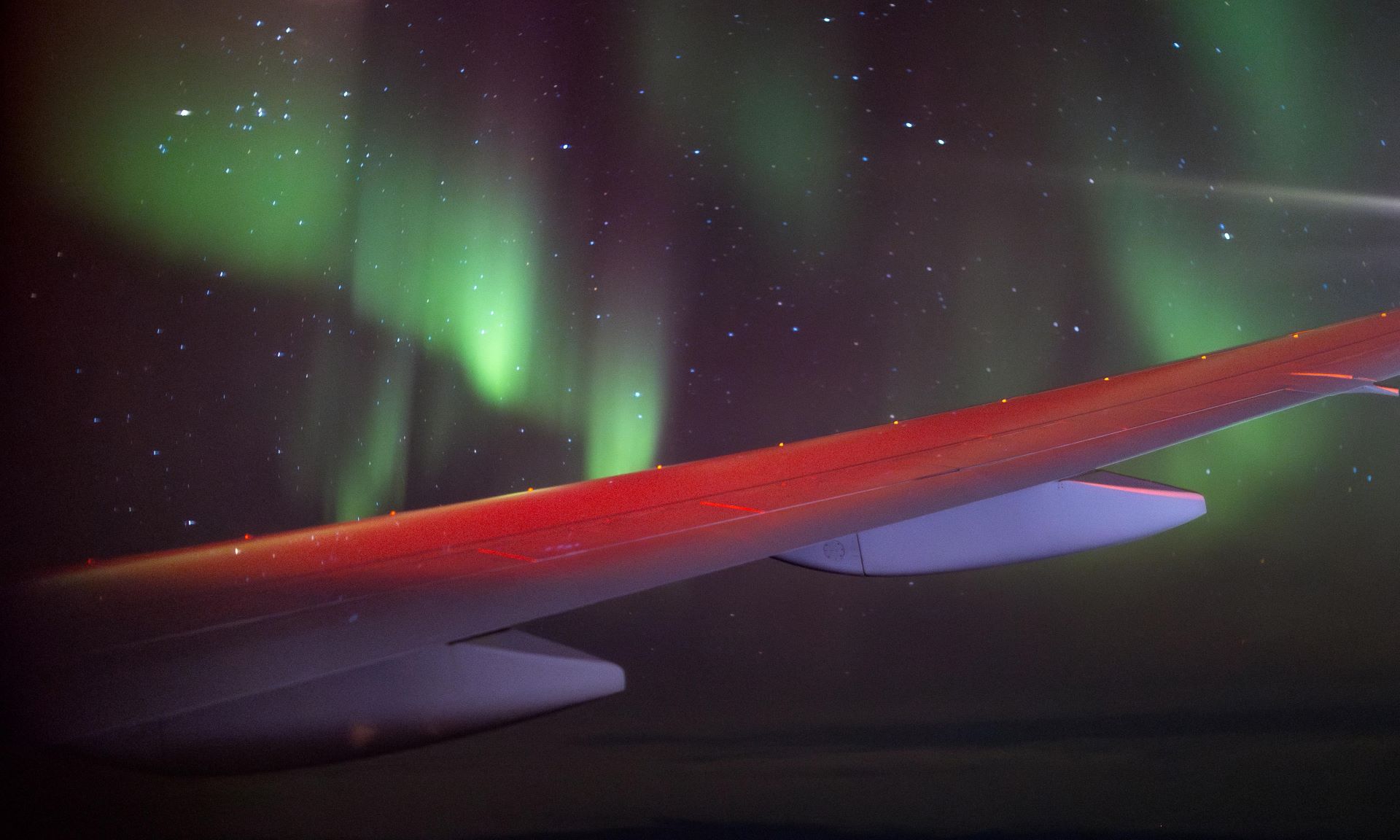
The quiet transformation above the clouds
There is a moment in commercial aviation when everything changes without announcement. No audible signal marks it, no dramatic lighting shift inside the cabin, no ceremonial pause. And yet, passengers feel it almost instinctively. Somewhere above the final stretch of airspace before landing, the flight begins to soften, as if the aircraft itself has decided to lower its voice.
This is the last 10 minutes before touchdown, a corridor of time that exists between altitude and arrival, between distance and destination. It is the point where airline tourism becomes something more intimate than transportation. The aircraft is no longer simply carrying passengers across countries. It is returning them to gravity, to geography, to place.
Inside the cabin, the energy subtly rearranges itself. Conversations thin out. Seatbelts are tightened not only for safety but for readiness. Window shades, once ignored or half-closed, are drawn open by instinct. People who spent hours scrolling, sleeping, or staring blankly at seatbacks suddenly begin to look outward again. The journey reclaims their attention.
It is not that something new appears. It is that everything becomes clearer.
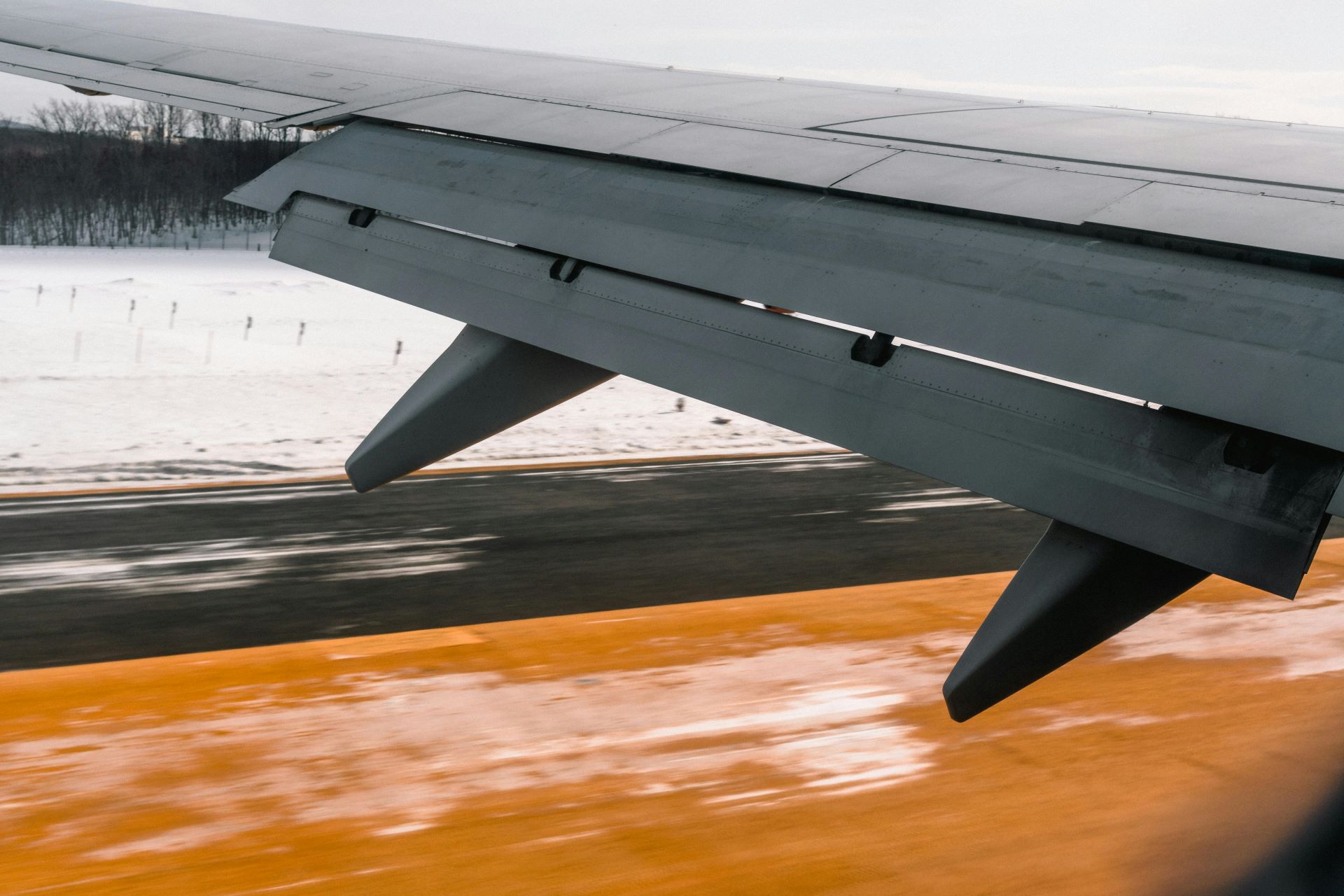
The descent as emotional compression
From an aviation perspective, descent is a carefully engineered sequence. Pilots initiate a controlled reduction in altitude, adjusting speed, configuring flaps, and aligning with approach paths designed with mathematical precision. Air traffic control begins to funnel aircraft into tightly managed corridors. The aircraft becomes part of a larger choreography of arrivals.
But for passengers, none of this feels technical. It feels emotional.
The descent compresses time. The vast, suspended neutrality of cruising altitude gives way to a sense of directionality. The aircraft is no longer moving through sky in abstraction. It is moving toward something specific. That shift from infinite possibility to defined destination creates a kind of psychological tightening, a quiet internal focus that is almost cinematic in quality.
Even the cabin atmosphere changes. The air pressure adjusts subtly, sometimes felt as a gentle pressure in the ears. The hum of the engines may deepen or shift in tone as thrust reduces. Flight attendants begin their final checks with a calm efficiency that signals completion rather than continuation. Every detail reinforces the same message: arrival is imminent.
In these moments, anticipation begins to rise like a tide.
Anticipation as a shared experience
Anticipation in commercial airline tourism is unique because it is collective. Every passenger on board is moving toward the same moment, yet each carries a different emotional destination. Some are returning home. Others are arriving somewhere new for the first time. Some are landing in familiarity. Others are stepping into uncertainty.
This shared divergence creates a layered emotional field inside the cabin.
A business traveller might already be rehearsing the first conversation they will have on the ground. A family returning from holiday might be quietly grieving the end of a temporary world they built together. A solo traveller might be scanning the horizon through the window, trying to anchor themselves emotionally before re-entering a city they have not seen in years.
And yet, despite these differences, anticipation synchronises everyone. The aircraft becomes a floating pause between identities.
Psychologically, anticipation intensifies when an outcome is both certain and slightly delayed. In the last 10 minutes before landing, passengers know exactly what is coming. There is no uncertainty about whether the plane will arrive. Only when.
That certainty sharpens attention. Every movement outside the window gains weight. Every announcement from the cockpit carries quiet authority. Even the act of fastening a seatbelt becomes part of a ritual that signals transition.
The aircraft is no longer a vessel of travel. It is a vessel of expectation.
The visual clarity of descent
One of the most striking transformations during the final phase of flight is visual. At cruising altitude, the world below is often abstracted. Landmasses appear as soft textures. Cities dissolve into faint grids. Clouds dominate the view, turning the outside world into a shifting white landscape.
Then, slowly, the abstraction breaks.
As the aircraft descends through layers of atmosphere, detail begins to return. Rivers sharpen into silver threads. Roads reappear as deliberate lines carved through terrain. Fields regain their geometry. Suburban patterns emerge like mosaics of human intention.
This transition is not abrupt. It unfolds in stages, like a photograph gradually coming into focus.
For airline tourism, this is one of the most emotionally resonant aspects of the entire journey. The descent transforms geography into recognition. Passengers begin to identify landmarks, coastlines, industrial zones, residential clusters. The abstract world becomes personal again.
There is a particular kind of silence that often falls over a cabin at this stage. It is not emptiness. It is attention.
Outside, light plays a crucial role. Depending on the time of day, the descent may occur under golden sunlight, deepening dusk, or the crystalline clarity of morning. Each condition reshapes perception. Shadows stretch across terrain, revealing topography that was invisible from above. Sunlight reflects off water bodies like fragments of glass scattered across the land.
It is in this moment that many passengers begin to reach for their phones or cameras, not for documentation alone, but for recognition. They are not just recording a view. They are confirming arrival.
The airline cabin as a suspended theatre
Inside the aircraft, the cabin becomes a kind of suspended theatre during descent. Every seat is a fixed viewpoint. Every window is a frame. The outside world is the performance, and the aircraft is the auditorium moving through it.
Unlike traditional theatre, however, the audience does not share a single narrative interpretation. Each passenger reads the approaching landscape differently.
For aviation-focused tourism, this is part of what makes commercial flight so compelling. It is not just transport. It is perspective in motion.
Cabin lighting is often adjusted during descent to enhance visibility outside. This subtle dimming removes visual interference, allowing the exterior world to dominate perception. The contrast between interior stillness and exterior motion becomes more pronounced.
Flight attendants move through the aisle with final checks, their presence steady and familiar. Overhead bins are secured. Seatbacks are returned to upright positions. Tray tables are locked into place. These are procedural steps, but in the context of descent, they also function as signals of closure.
The aircraft is preparing to end its narrative.
Airports as emotional thresholds
Every descent leads toward a threshold, and that threshold is the airport. Yet airports are not merely endpoints. In commercial airline tourism, they are transitional architectures designed to absorb emotion.
From above, runways begin to appear as precise markings on the land. Taxiways form intricate networks. Terminal buildings reveal themselves as structured clusters of glass and steel. Vehicles move like small mechanical organisms across the ground.
For passengers, this is where anticipation reaches its peak. The aircraft is no longer abstractly descending. It is aligning with a specific human-made surface. The idea of arrival becomes tangible.
Different airports create different emotional textures in this moment. Coastal airports introduce water as a framing element, where aircraft approach over ocean or lagoon before touching land. Inland airports often reveal sprawling urban environments, where density and movement define the visual experience. Mountain-adjacent airports add dramatic topography, where descent feels like threading through carved landscapes.
Each approach path is a unique narrative, even when experienced repeatedly.
And yet, the emotional reaction remains consistent: recognition, readiness, and a subtle acceleration of thought.
The psychology of the final approach
The final approach is where the aircraft transitions from descent into alignment. Flaps extend further, landing gear deploys, engine thrust adjusts to maintain controlled speed. The aircraft becomes increasingly grounded in its behaviour even while still airborne.
For passengers, this is where physical awareness returns most strongly. The body responds to subtle changes in motion. Turns feel more deliberate. Altitude changes feel more immediate. The proximity to the ground creates a sense of gravitational awareness that was absent at cruising altitude.
Psychologically, this stage often triggers what can be described as temporal narrowing. The mind begins to compress future time into a near horizon. Thoughts shift from abstract reflection to immediate planning. What happens after landing becomes more vivid than anything that occurred during the flight.
It is also where memory and expectation briefly overlap.
Passengers may replay parts of their journey. They may think about where they are going next. They may simply sit in silence, watching the ground rise toward them with increasing clarity.
There is a reason so many aviation enthusiasts describe landing as the most emotionally charged phase of flight. It is not the altitude that creates intensity. It is the proximity to resolution.
Micro moments inside the cabin
In the final minutes, small human behaviours become more visible.
A passenger might straighten their clothing as if preparing for a meeting they have not yet entered. Another might quietly gather belongings with a rhythm that suggests both urgency and hesitation. A child may press closer to the window, captivated by the shrinking distance between sky and land. A frequent flyer may remain still, already mentally stepping into the terminal ahead.
These micro moments are part of the broader language of airline tourism. They reveal how deeply people internalise the structure of flight, even when they rarely articulate it.
There is also a shared stillness that often emerges. Not enforced silence, but collective attention. The aircraft becomes a single field of focus directed outward.
Even conversations, when they occur, tend to be shorter. Words become economical. Meaning shifts toward observation rather than exchange.
Why airlines design for descent experience
Commercial aviation is often discussed in terms of efficiency, safety, and logistics. Yet modern airline tourism also recognises the importance of experience design. The descent phase, in particular, is treated with care because it is the emotional peak of the journey.
Cabin crew training emphasises calm closure. Announcements are measured and reassuring. Lighting adjustments are subtle. Even the pacing of service termination is designed to avoid abrupt disruption.
Airlines understand that passengers remember arrivals more vividly than departures. The final impression of a flight often defines the memory of the entire journey.
This is why the last 10 minutes matter disproportionately. They are not just operational. They are experiential architecture.
From a brand perspective, the descent is where trust is reinforced. The aircraft is demonstrating control, precision, and predictability at the very moment passengers are most aware of vulnerability.
The return to ground and the return to self
As the aircraft descends into its final seconds before landing, the world outside fills the windows completely. The horizon tilts slightly. The runway aligns. The sense of movement intensifies even as speed is carefully reduced.
Then, suddenly, the aircraft makes contact.
The landing itself is often less dramatic than passengers expect. A brief compression. A soft thud. A sense of forward motion continuing along the ground. But emotionally, it feels like a threshold has been crossed.
The magic of the last 10 minutes does not disappear on touchdown. It transforms. Anticipation becomes completion. Observation becomes participation. The passenger re-enters the world they were approaching.
In commercial airline tourism, this is the paradox of descent. It is both an ending and a return. A final narrowing of sky into runway, and then a release into place.

The poetry of controlled arrival
The last 10 minutes before landing are not simply a phase of flight. They are a condensed experience of transition, where technology and emotion briefly align in perfect synchrony.
In those minutes, the aircraft becomes more than a machine of transport. It becomes a moving frame of perception, guiding passengers from abstraction to recognition, from distance to detail, from anticipation to arrival.
That is why it feels magical.
Not because something extraordinary happens, but because something ordinary becomes intensely visible.